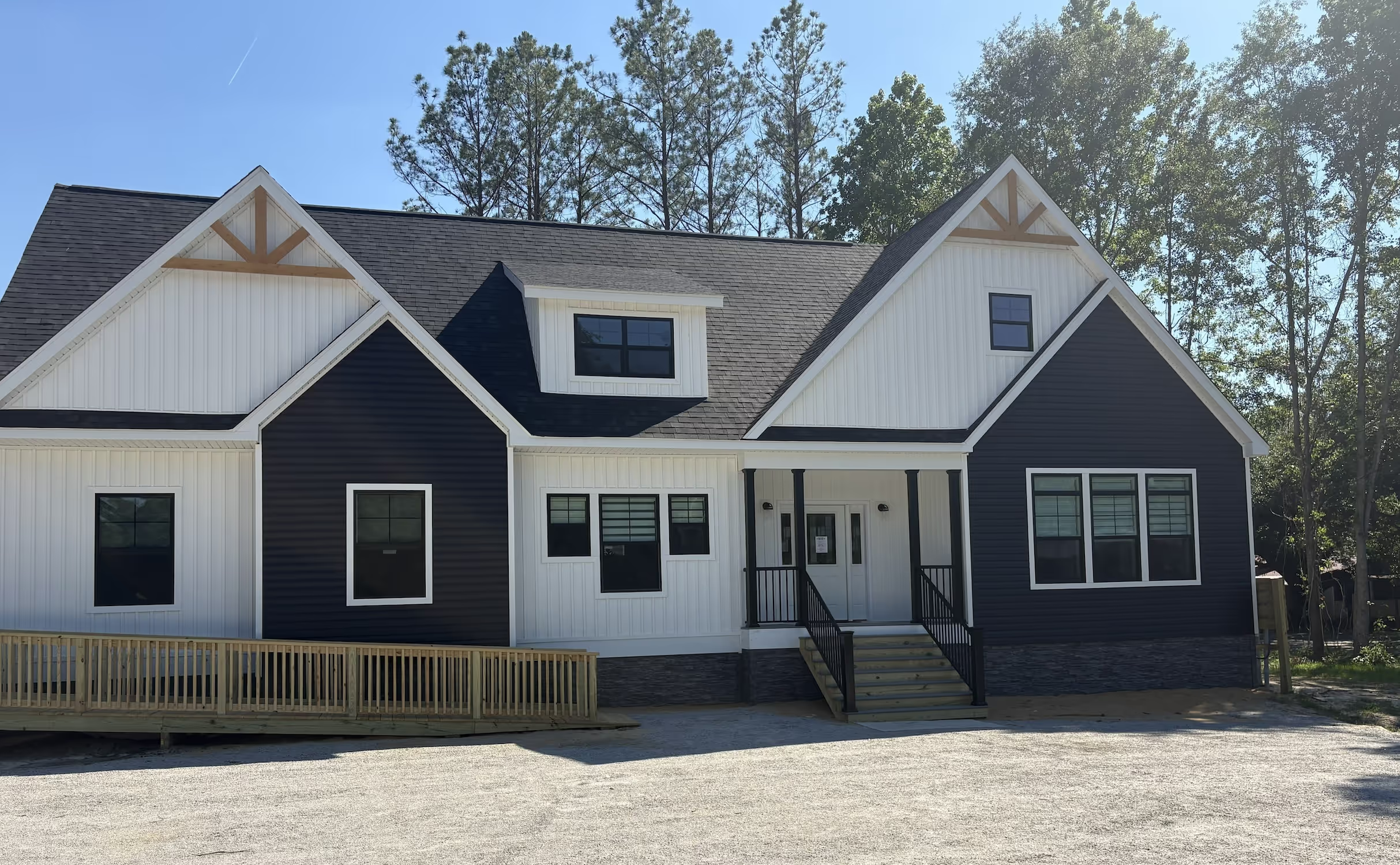
New Yemassee, SC display center now open!
Learn More
June 12, 2026
If you're buying raw land in South Carolina to build a home on, the septic permitting process is one of the first things you need to understand. Getting it wrong early creates real problems later.
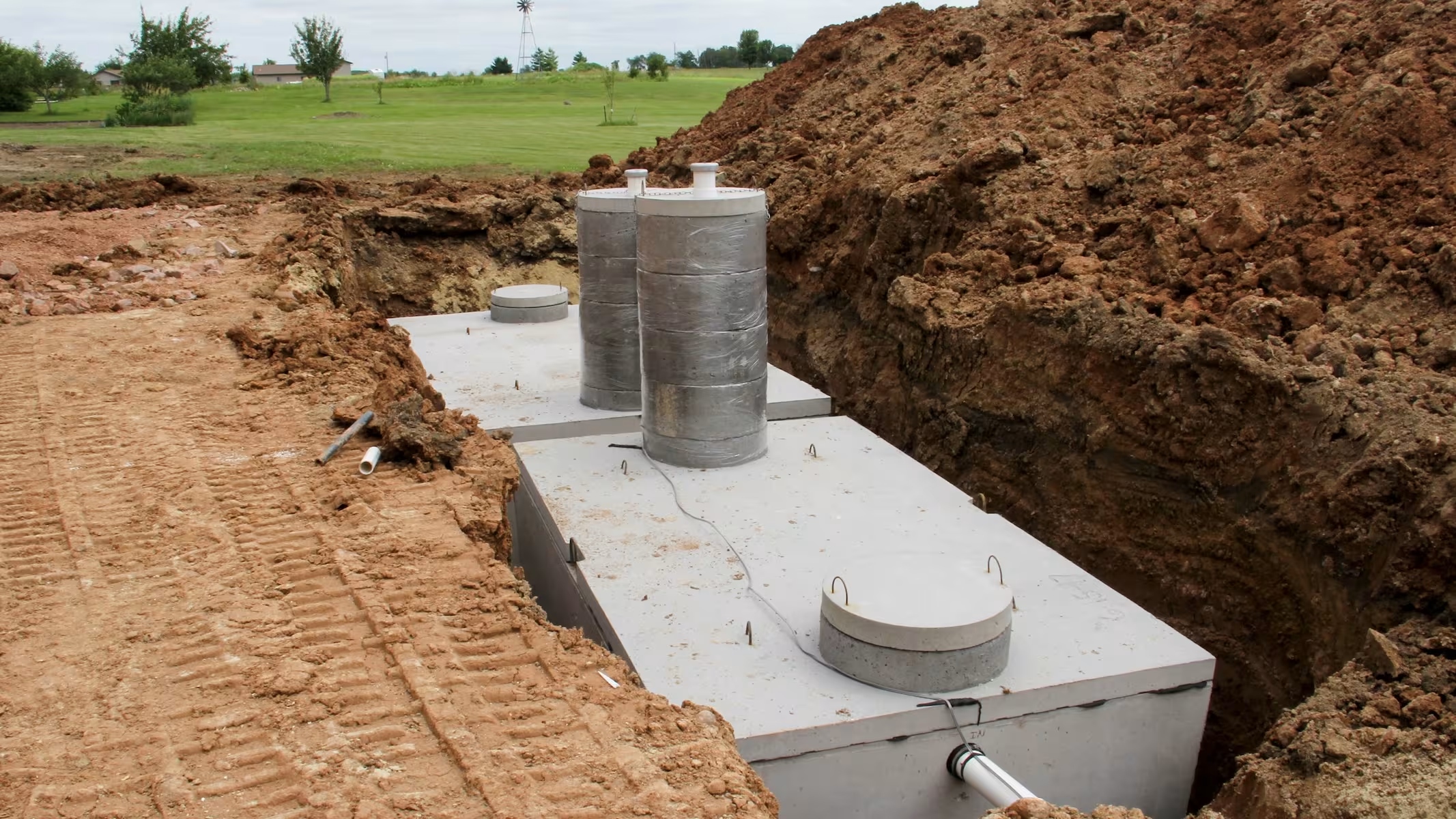
Many people who come to Carolina Country Homes have already started the land-buying process before they talk to a builder. That's completely normal, and we're glad to work with buyers at any stage. But one of the most common sources of delay and unexpected cost we see is a septic permit that was handled incorrectly before the customer ever got to us.
This guide explains how the septic permitting process works in South Carolina, what your options are, and why it pays to understand this before you hire a soil engineer or go to DHEC.
If your property isn't connected to a municipal sewer system (and most rural SC land isn't), you'll need a septic system before you can build. There's no getting around it. And because the septic system must be designed and approved before construction starts, any problem or delay here affects your entire project timeline.
Getting a bad septic permit is unfortunately not rare. We've seen situations where a septic permit was drawn up without the engineer ever visiting the property. In one case, drain lines were mapped directly over a road. When the septic installer arrived on site and reviewed the permit, they flagged it immediately, and the whole project had to pause while the permit was corrected. That kind of delay, which can run two to six weeks or more, is entirely avoidable.
In South Carolina, septic permits are overseen by DHEC (the Department of Health and Environmental Control), which has recently rebranded parts of its operations under DHES (Department of Health and Environmental Services). Most people in the industry still refer to it as DHEC, and we'll use that here.
The basic process works like this:
1. Perc test (percolation test). Before a septic permit can be issued, the soil on your property has to be tested to determine how well it absorbs water. This is called a perc test, and it's conducted on-site by someone authorized to evaluate soil conditions.
2. Permit application. Based on the perc test results, DHEC (or an authorized soil scientist) determines what kind of septic system your property requires and issues a permit accordingly.
3. System installation. Once the permit is in hand, a licensed septic installer puts the system in the ground according to the approved design.
The part where things get complicated is step two: who does the evaluation and what kind of system gets permitted.
Most properties qualify for a standard septic system, the most common and least expensive type. Standard systems typically cost $10,000 to $14,000 to install and go through the normal DHEC permitting process.
Some properties, due to soil conditions, lot size, or proximity to wetlands or water, require an engineered septic system. These are more complex, more expensive (often $20,000 to $30,000 or more), and require design by a licensed engineer or soil scientist.
The distinction matters because the two systems are not interchangeable in terms of cost, and both of them affect your overall construction budget in real ways. When we put together a project estimate for a customer, we need to know which type of system the property requires. Getting that wrong, in either direction, causes problems.
In recent years, we've seen a significant increase in the number of private soil engineers and septic consultants who are marketing their services directly to landowners, often before those landowners have spoken with a builder.
Some of these companies are doing legitimate, high-quality work. But we've also seen a pattern in which customers are told they need an engineered system when their property would qualify for a standard system through the normal DHEC process, or the Engineer fails to properly account for the grade. The result is that customers pay significantly more than they need to, and in some cases end up with a permit that doesn't actually meet the standards the septic installer needs to work from.
We are not saying you should avoid soil engineers. For properties that genuinely need an engineered system, a qualified soil scientist is exactly who you need. What we're saying is that it's worth talking to your builder before you hire someone, so you understand what your property is likely to need and can evaluate any recommendations you receive.
If you're buying land and planning to build, we'd encourage you to reach out to us before you start the septic process. We've worked on hundreds of lots across Lancaster, York, Union, and Kershaw counties in South Carolina and into Union and Mecklenburg counties in North Carolina. We have a good sense of what different areas typically require and can help you ask the right questions before you spend money on a permit or an engineering report.
Our land assistance program is designed to help buyers navigate the entire process, from evaluating a potential lot to completing all site work properly so construction can proceed on schedule.
There's no charge to have that initial conversation, and it can save you a significant amount of time and money.
Building a modular home with Carolina Country Homes is an exciting and rewarding experience, from the initial display center visit to the day you move into your beautifully crafted new home. Reach out for more information about our Custom Built Homes!